
High Fire Zone Insurance: What It Means for Your Property
Living in a high fire zone means facing real risks to your property and higher insurance costs. At Beach Break Insurance Agency, we help property owners understand how fire risk affects their coverage options and premiums.
The good news is you’re not without options. This guide walks you through what high fire zone insurance means, how to find affordable coverage, and practical steps to protect your home.
What Defines a High Fire Zone and Why It Matters
A high fire zone is a geographic area where wildfire risk is elevated based on historical fire activity, vegetation density, weather patterns, and proximity to known fire corridors. Insurance companies classify these zones using data from Cal Fire, the National Interagency Fire Center, and local fire department records. In California, Cal Fire’s Fire Hazard Severity Zones classification system divides areas into Local Responsibility Areas and State Responsibility Areas, with three levels of hazard in State Responsibility Areas: moderate, high, and very high. Properties in these zones face substantially higher insurance premiums because the statistical likelihood of fire damage is measurably greater.
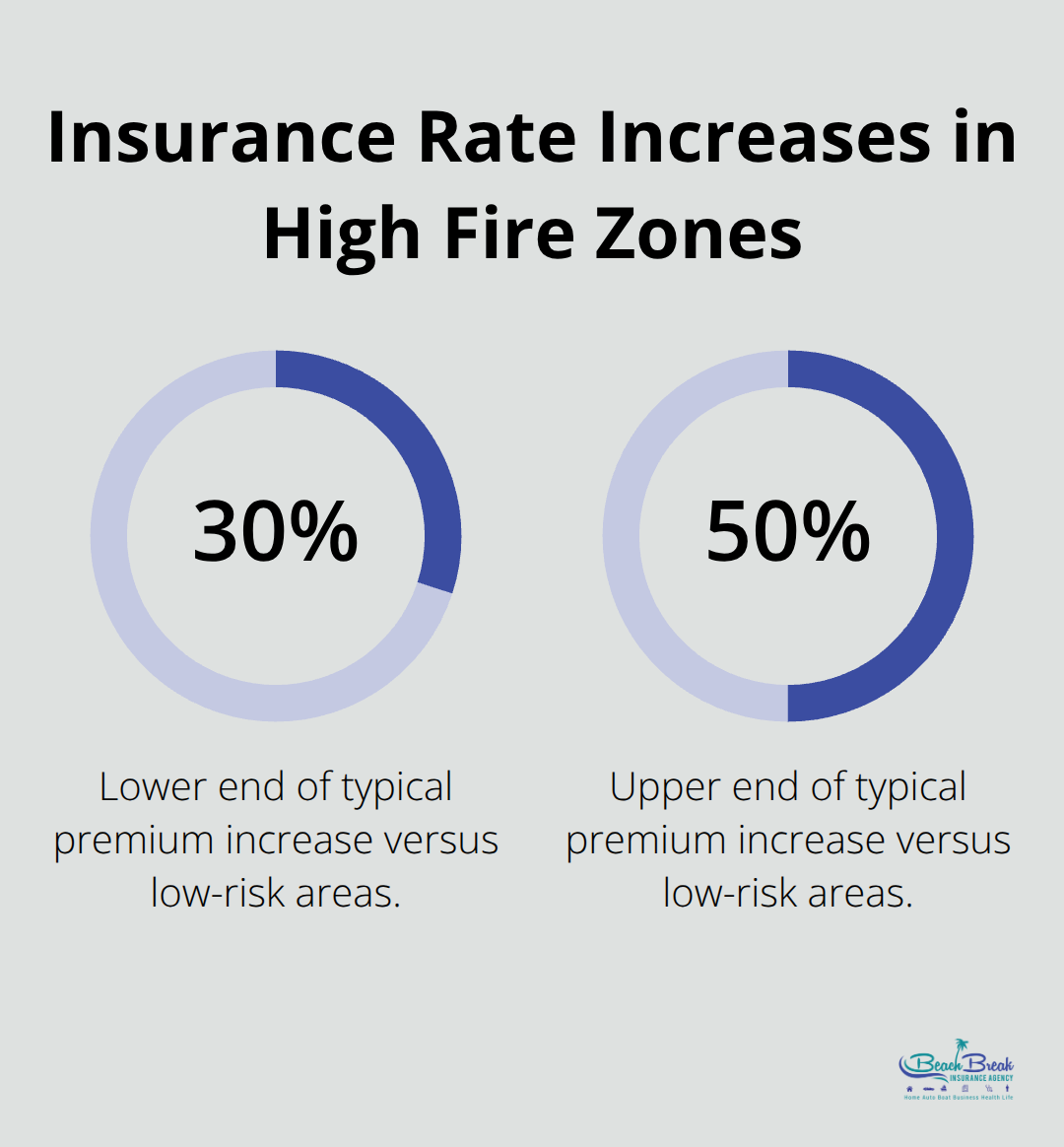
According to the Insurance Information Institute, homes in high fire zones can see insurance rates increase by 30 to 50 percent compared to properties in low-risk areas. Some insurers have simply stopped writing new policies in these zones entirely, leaving owners with limited options. The reality is direct: living in a high fire zone means accepting significantly higher costs and fewer choices in the insurance marketplace.
How Insurance Companies Assess Fire Risk
Insurance companies assess fire risk through multiple data points beyond just location. They examine your home’s distance from fire stations, water sources for firefighting, and access roads. They analyze roof materials, with composition shingles rated as higher risk than metal or tile roofs. They review whether your property has defensible space, meaning vegetation cleared 5 to 30 feet from structures. They also evaluate your home’s age, construction type, and whether you have fire-resistant siding or windows.
A 2023 analysis by the National Association of Insurance Commissioners found that properties with updated fire-resistant features received better rates than those without them, sometimes by 10 to 15 percent. When you apply for coverage in a high fire zone, your agent will ask detailed questions about these factors. Your answers directly influence whether you qualify for standard homeowners insurance or whether you’ll need alternative coverage options.
Why This Assessment Matters for Your Coverage
This assessment process isn’t arbitrary-it’s based on decades of claims data showing which properties survive fires and which ones don’t. Insurers use this information to determine your eligibility and set your premiums accordingly. Properties with better fire-resistant features and defensible space typically qualify for more favorable rates and broader coverage options. Those without these protections face steeper premiums or potential denial of coverage from standard carriers. Understanding how insurers evaluate your specific property helps you identify which improvements will have the most impact on your rates and coverage availability. The next section explores the coverage options available to you, whether you qualify for standard homeowners insurance or need to consider alternative solutions.
Finding Coverage in High Fire Zones
Standard Homeowners Insurance Faces Real Barriers
Getting standard homeowners insurance in a high fire zone has become genuinely difficult. Major carriers like State Farm and Allstate have significantly restricted or stopped issuing new policies in California’s high-risk fire areas over the past three years. This leaves many property owners facing rejection from traditional insurers. The marketplace has contracted sharply, forcing owners to explore alternative solutions when standard carriers turn them away.
The California FAIR Plan: Your Safety Net
The California FAIR Plan exists specifically for property owners who can’t obtain coverage through standard channels. It serves as the insurer of last resort, protecting properties that private insurers won’t touch. According to the California Department of Insurance, FAIR Plan enrollment has grown significantly as private insurers retreated from fire-prone regions.
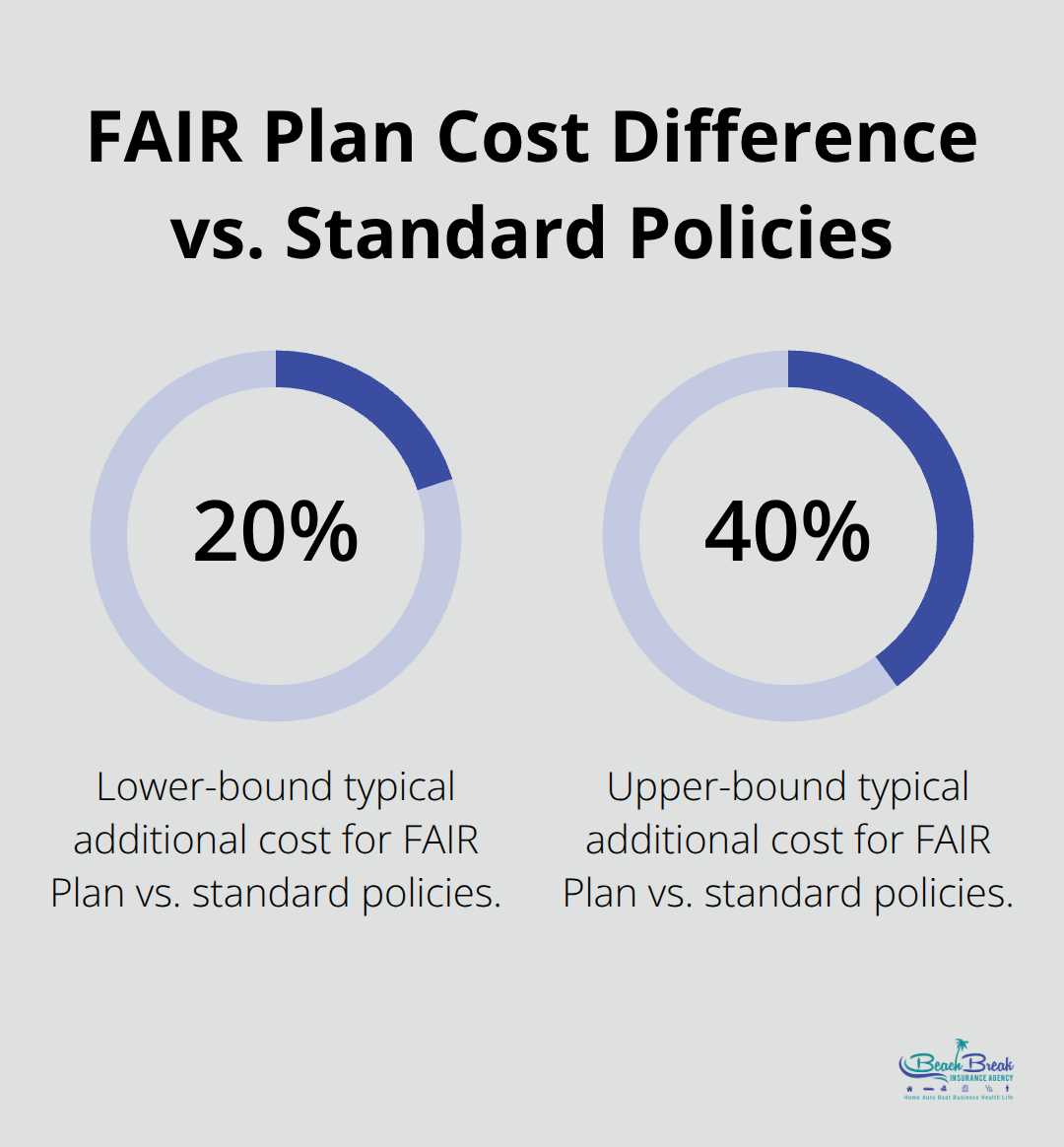
FAIR Plan coverage provides essential protection, but it typically costs 20 to 40 percent more than standard homeowners policies. The deductibles run higher, and you won’t receive the same level of service or policy flexibility that a private carrier offers. While valuable, FAIR Plan coverage shouldn’t be your first choice if better alternatives exist.
Specialized Carriers Still Write Policies in High Fire Zones
Several private insurers continue operating in high fire zones, though they remain selective about which properties they’ll cover. Companies like Chubb and AIG still write policies in these markets, but they demand rigorous adherence to fire-resistant standards. These specialized carriers often require metal or tile roofing, cleared defensible space, ember-resistant vents, and dual-pane windows as non-negotiable conditions.
These insurers frequently offer discounts of 15 to 25 percent if you install fire-resistant building materials before applying. This makes upgrades a worthwhile investment that can significantly reduce your premiums. Getting detailed quotes from multiple carriers reveals your actual eligibility and available rates, which depend heavily on your home’s current fire-resistant features and defensible space conditions.
Layering Coverage for Superior Protection
You can layer coverage through separate policies addressing specific exposures. A standalone fire insurance policy supplements your homeowners coverage, providing additional limits specifically for fire damage. Some agents recommend pairing this approach with an umbrella liability policy, which covers you if a fire spreads to neighboring properties and creates liability claims.
This layered approach often costs less than a FAIR Plan policy while delivering superior coverage. Your property’s specific risk profile determines the final cost, but the flexibility and protection justify exploring this option. Understanding which carriers will work with your property and what conditions they require sets you up to make informed decisions about your coverage strategy and the improvements that will have the most impact on your rates.
Reduce Fire Risk and Lower Your Premiums
Defensible Space: Your First and Most Impactful Action
Protecting your property from fire starts with concrete actions that directly lower your insurance costs. Insurance companies reward specific improvements with measurable rate reductions, making these investments financially sensible beyond just safety. Homes with updated fire-resistant features receive better rates than comparable properties without them.
Defensible space ranks as the single most impactful change you can make. This means removing dead vegetation, trimmed tree branches, and leaf litter within 5 feet of your home’s perimeter, clearing branches 6 to 10 feet up from the ground, and extending this maintenance to 30 feet out if your property allows it. Many insurers specifically ask about defensible space during underwriting, and properties without it face automatic rate increases or outright denial.
You can tackle this work yourself or hire a local landscaping company, though DIY clearing typically costs under $500 for an average residential lot. Start with the immediate zone around your home’s foundation and work outward, prioritizing areas closest to windows and vents where embers accumulate during fires.
Roof and Vent Upgrades Deliver Substantial Savings
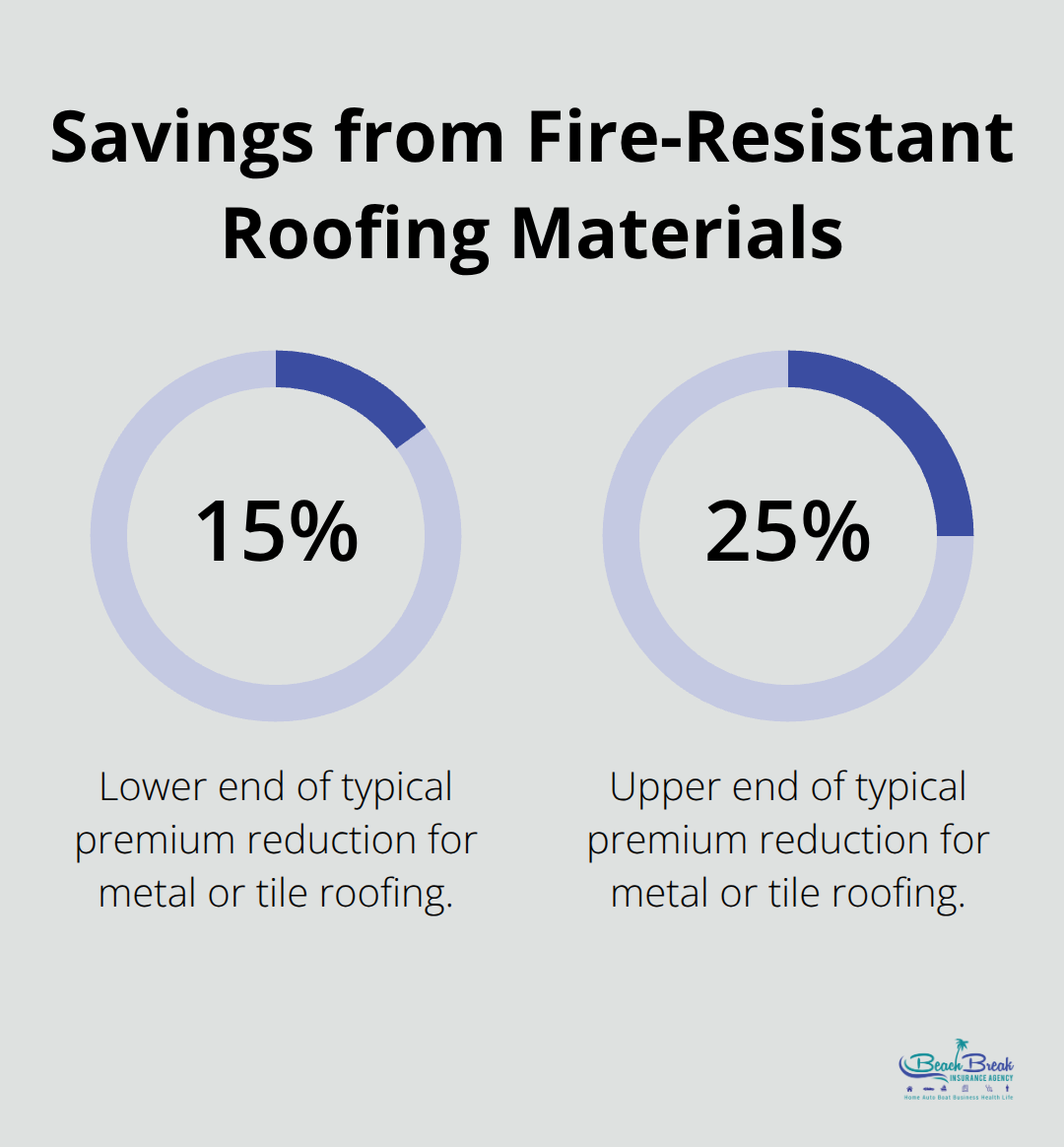
Upgrading your roof and vents delivers the second-largest insurance savings. Metal or tile roofing costs more upfront than composition shingles, but insurers reduce premiums by 15 to 25 percent for these materials because they significantly reduce fire entry points. If a full roof replacement isn’t feasible, installing ember-resistant vents costs $1,000 to $3,000 and qualifies for rate discounts from most carriers.
Dual-pane windows with tempered glass provide similar protection at lower cost. These upgrades address the specific vulnerabilities that fires exploit, which is why insurers weight them so heavily in their underwriting decisions.
Schedule Annual Coverage Reviews with Your Agent
Schedule a detailed conversation with your insurance agent annually to review exactly which improvements will generate the highest rate reductions for your specific property. Your agent can identify which upgrades deliver the best return on investment based on your insurer’s requirements and your home’s current condition.
This conversation matters because insurers weight improvements differently, and what saves you $500 with one carrier might save $2,000 with another. Document all completed improvements with photos and receipts, then notify your agent so the updates reflect in your policy and rate calculations. Taking this step ensures your premiums accurately reflect your home’s current fire-resistant features and defensible space conditions.
Final Thoughts
Living in a high fire zone requires you to secure appropriate coverage and take deliberate action to protect your property. Your coverage options depend on your home’s current condition and fire-resistant features-standard homeowners insurance remains available through specialized carriers if your property meets their requirements, while the California FAIR Plan provides essential protection as your safety net if standard carriers reject your application. Layering coverage through separate fire insurance policies sometimes delivers better rates and broader protection than FAIR Plan policies alone.
The improvements you make directly reduce your premiums and increase your eligibility with private insurers. Defensible space delivers the fastest results and costs the least to implement, while roof and vent upgrades follow as your next priority and generate substantial rate reductions that often justify their upfront expense within a few years of premium savings. Annual reviews with your agent ensure your high fire zone insurance coverage stays aligned with your home’s current condition and your changing needs.
We at Beach Break Insurance Agency specialize in helping San Diego property owners navigate high fire zone insurance by comparing quotes from multiple carriers and identifying solutions tailored to your situation. Contact us to review your current coverage and explore options that match your property’s specific risk profile and your budget.
The information provided in this blog is for general informational purposes only and does not constitute legal, financial, or insurance advice. Coverage options, terms, and availability may vary. Please consult with a licensed professional for advice specific to your situation.
Artificial intelligence may have been used to generate text and images in some blog articles.


