
Restaurant General Liability Insurance: Protecting Your Restaurant and Reputation
Running a restaurant means managing countless moving parts every single day. One slip-a customer’s fall, a food-related illness, or accidental property damage-can turn into a costly lawsuit that threatens your business.
Restaurant general liability insurance protects you from these financial disasters. At Beach Break Insurance Agency, we help restaurant owners understand what coverage they actually need and how to get protected without overpaying.
What General Liability Actually Covers in Your Restaurant
Bodily Injury Claims and Medical Expenses
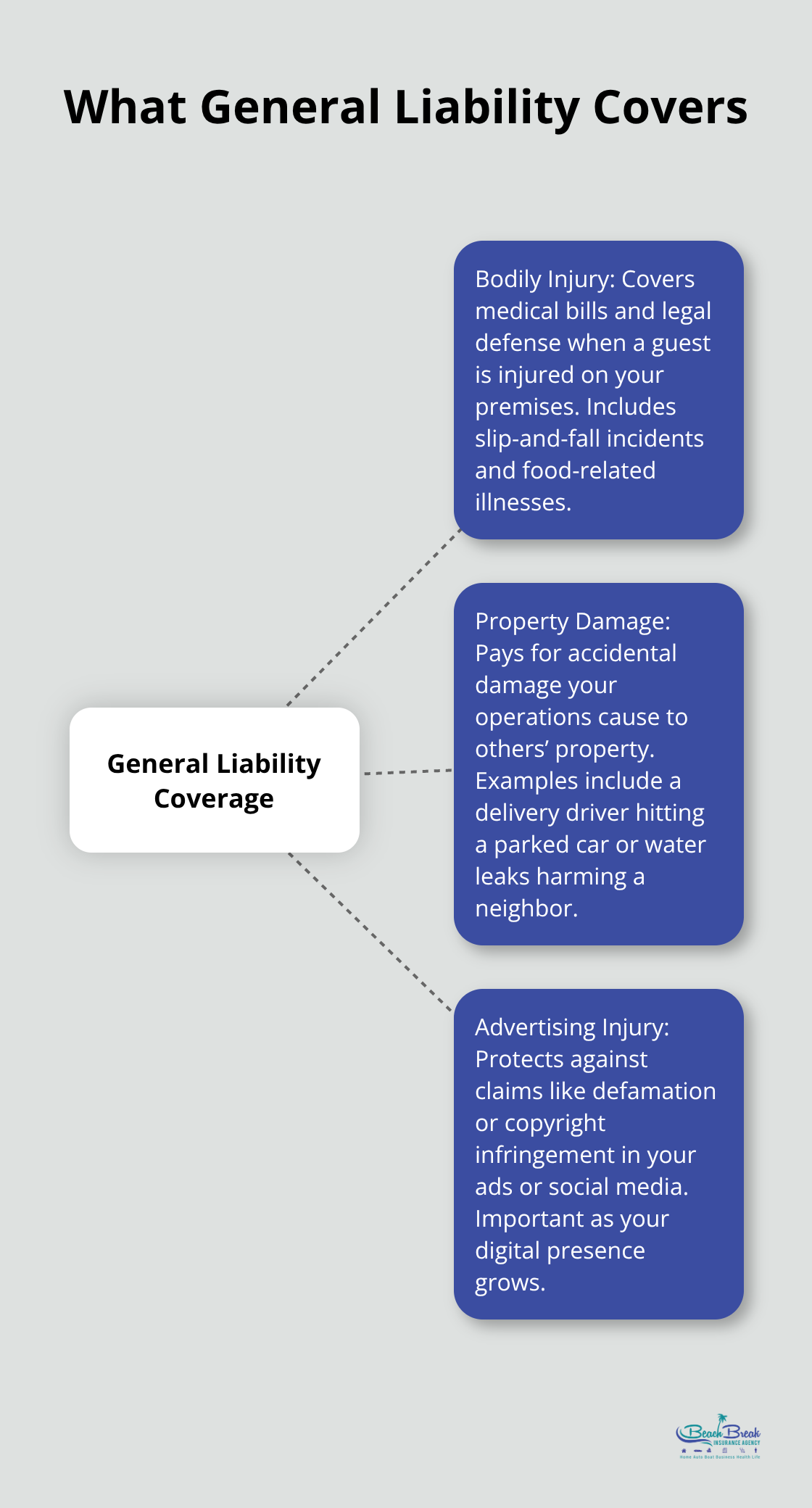
General liability insurance protects your restaurant against three major categories of claims that can drain your finances fast. First, bodily injury claims cover medical expenses when a customer or visitor gets hurt on your premises. This includes slip-and-fall incidents, which account for nearly 25% of all workplace injuries in the service industry. If a customer slips in your dining area and breaks their arm, general liability pays their medical bills and any legal defense costs if they sue. The coverage also extends to food-related illnesses-if someone gets sick from your food and files a claim, this policy covers investigation costs, settlements, and your legal defense.
Property Damage Liability
Second, property damage liability protects you when your restaurant accidentally damages someone else’s property. This might seem less common than bodily injury, but it happens regularly. If your delivery driver hits a parked car, or if water from your building damages a neighbor’s property, general liability covers the damage costs. These incidents can expose you to significant financial liability without proper coverage in place.
Advertising Injury Coverage
Third, advertising injury coverage handles claims arising from your marketing activities, such as accusations of defamation or copyright infringement in your ads or social media. This protection matters more than many restaurant owners realize, especially as you expand your digital presence.
Real Costs and Coverage Limits
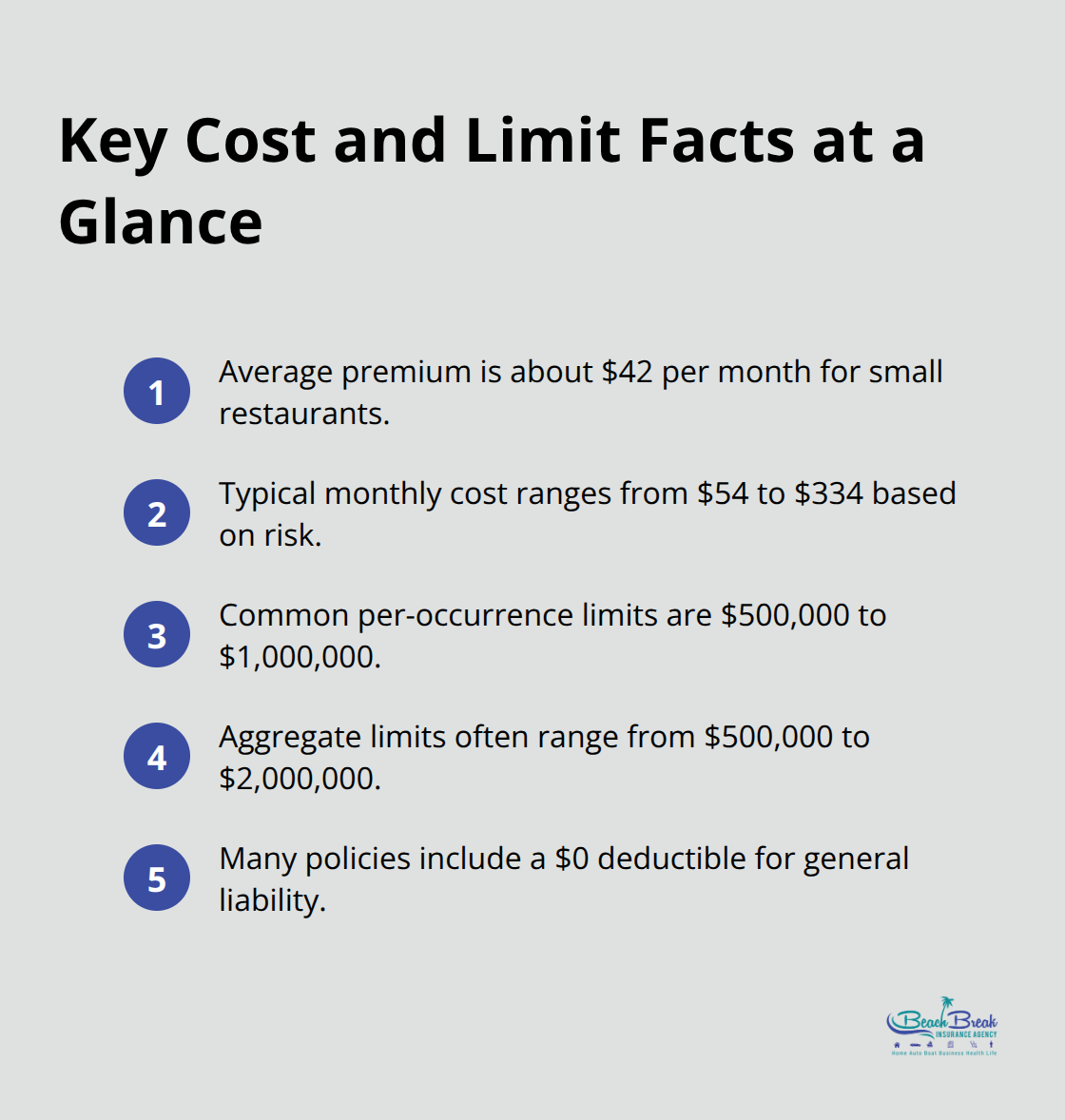
The financial stakes are real. Among restaurant customers, general liability averages around $42 per month for small businesses, with typical monthly costs ranging from 54 to 334 dollars depending on coverage specifics and your restaurant’s risk profile. Common per-occurrence limits run from 500,000 to 1,000,000 dollars, with aggregate limits between 500,000 and 2,000,000 dollars. Many policies offer a zero deductible for general liability, which means you won’t pay anything out of pocket when you file a claim.
Why You Can’t Afford to Skip This Coverage
The real question isn’t whether you can afford this coverage-it’s whether you can afford not to have it. A single serious injury claim can cost tens of thousands of dollars in medical expenses and legal fees alone. Your lease and lenders almost certainly require this coverage anyway, so getting it protects both your business and your contractual obligations. Understanding what limits work best for your specific restaurant operation becomes the next critical step.
Why Your Restaurant Needs This Coverage Now
Slip-and-Fall Claims Lead Restaurant Losses
Slip-and-fall incidents represent the top claim type across restaurants, driven by wet floors, cluttered aisles, uneven surfaces, and poor lighting. Analysis of restaurant claims data confirms this pattern across the industry. A single slip-and-fall claim costs your restaurant thousands in medical expenses and legal defense, even if you win the case. These incidents happen constantly in food service environments where water, grease, and spills create hazardous conditions. Without general liability coverage, you absorb the full financial impact of these preventable accidents.
Foodborne Illness and Kitchen Injuries Create Significant Exposure
Foodborne illness claims have increased as restaurants expand delivery and takeout operations. When a customer contracts food poisoning from your establishment, general liability covers the investigation, medical expenses, and settlements. Kitchen burns and cuts from knives, slicers, and fryers also generate claims regularly. These incidents happen despite precautions, and one serious injury claim can devastate your finances. The financial reality is stark: a customer hospitalization from food poisoning or a severe burn injury results in settlements ranging from $10,000 to $100,000 or more depending on severity and jurisdiction.
Lease and Lender Requirements Make Coverage Mandatory
Your lease and lender almost certainly require general liability insurance as a contractual condition. Most commercial landlords mandate minimum coverage of $500,000 to $1,000,000 per occurrence before you occupy the space. Banks financing restaurant equipment or build-outs will not approve loans without proof of adequate liability coverage. This requirement protects them from exposure if your restaurant causes injury or property damage. Suppliers and delivery partners often require certificates of insurance before they work with you.
Personal Liability Exposure Without Coverage
Operating without this coverage leaves you personally liable for claims. Creditors can pursue your personal assets, home, and savings if a judgment exceeds your restaurant’s resources. The cost of protection is minimal compared to the exposure. General liability runs roughly $42 to $74 per month for small restaurants with standard risk profiles, making it one of the most affordable risk management tools available. This modest investment shields your restaurant, your personal finances, and your ability to operate legally on leased premises.
Now that you understand why general liability matters, the next step involves selecting the right coverage limits and comparing options from multiple carriers to match your restaurant’s specific risk profile.
How to Choose the Right Coverage for Your Restaurant
Assess Your Specific Business Risks
Your restaurant’s specific risks determine the coverage limits you need. A fine-dining establishment with a full bar faces different exposures than a quick-service pizza shop. If you serve alcohol, your liability exposure increases significantly because dram shop laws in most states hold you responsible for injuries caused by intoxicated patrons. A customer injured in a bar altercation or car accident after overservice can sue for substantial damages.
Restaurants with outdoor seating, delivery operations, or catering services add additional exposure points. Your building size and square footage matter too-a 2,000-square-foot neighborhood cafe has fewer slip-and-fall hazards than a 6,000-square-foot establishment with multiple dining rooms and a busy bar area. The number of employees and their job classifications affect your risk profile as well. A kitchen with six line cooks generates more burn and cut injuries than a counter-service operation.
List every way a customer or visitor could potentially be injured at your restaurant, then map those scenarios to coverage needs. This exercise reveals exposure points you might otherwise overlook.
Determine Appropriate Coverage Limits
Most restaurant owners should carry per-occurrence limits between $500,000 and $1,000,000, with aggregate limits of $1,000,000 to $2,000,000. This range covers typical slip-and-fall claims, foodborne illness cases, and property damage incidents without excessive premium costs. If you serve alcohol, lean toward the higher end of this range because liquor liability claims tend to settle for larger amounts.
The financial stakes justify adequate limits. A customer hospitalization from food poisoning or a severe burn injury results in settlements ranging from $10,000 to $100,000 or more depending on severity and jurisdiction. Underinsuring exposes your personal assets to judgment creditors.
Compare Quotes from Multiple Carriers
Once you’ve identified your target limits, obtain quotes from at least three different carriers to reveal significant price variations for identical coverage. A $500,000 per-occurrence limit might cost $45 per month from one carrier and $85 from another, depending on their underwriting criteria and risk appetite. Shopping multiple carriers takes time but saves substantial money over your policy term.
Evaluate Deductible Options
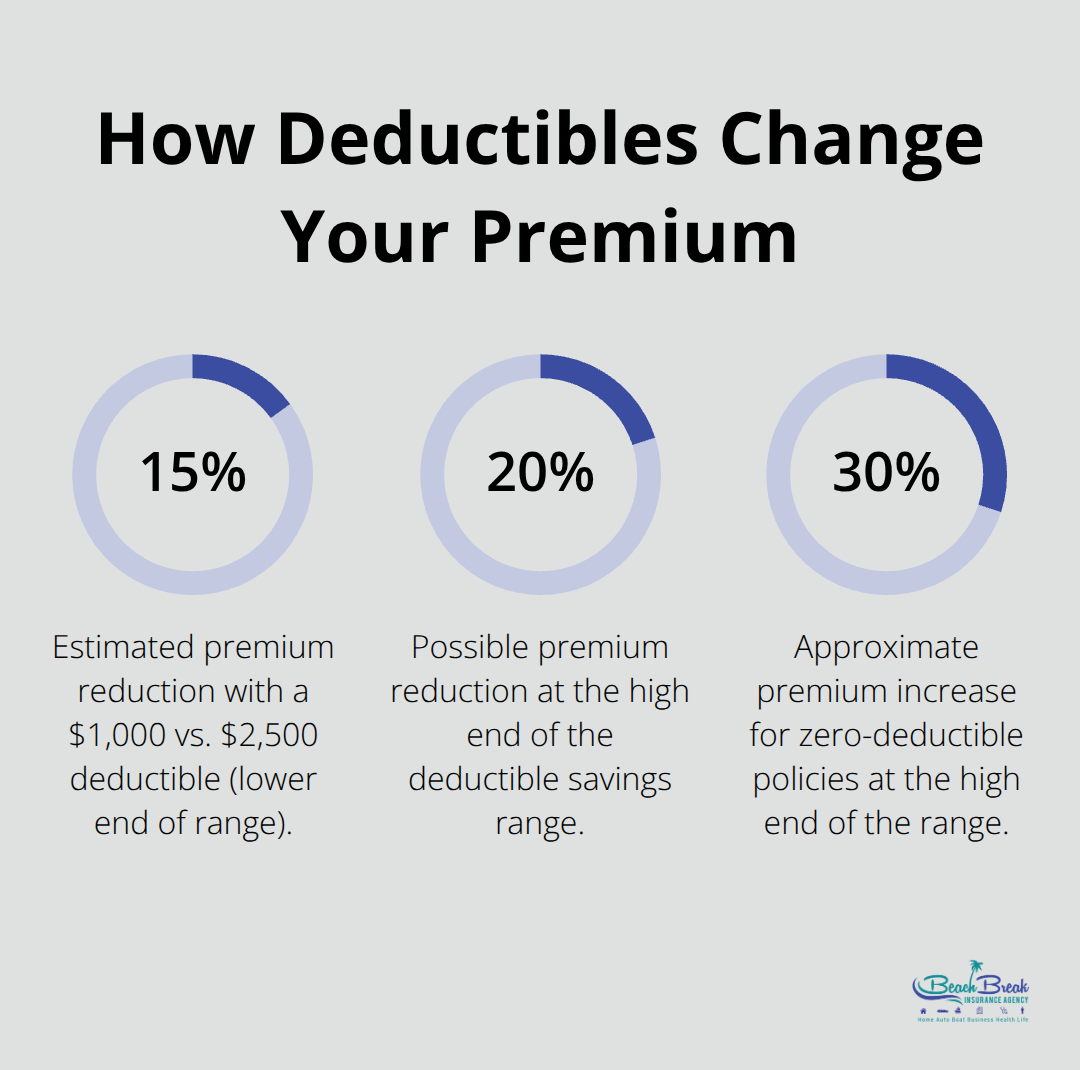
Many restaurant owners overlook deductible choices, but this decision impacts both premiums and out-of-pocket costs. A $1,000 deductible versus a $2,500 deductible can reduce your monthly premium by 15 to 20 percent, though you’ll pay more out of pocket when filing a claim. The zero-deductible policies advertised by some carriers sound appealing but typically cost 20 to 30 percent more in premiums.
Calculate whether saving $10 to $15 monthly justifies paying $1,000 or more if you need to file a claim. Most restaurant owners find that a deductible option strikes the right balance between affordable premiums and manageable out-of-pocket exposure.
Final Thoughts
Restaurant general liability insurance protects your business from the financial devastation that slip-and-fall incidents, foodborne illness claims, and property damage can cause. A single serious injury claim costs tens of thousands of dollars in medical expenses and legal fees, but your monthly premium stays affordable at $42 to $74 for most small restaurants. Your lease and lenders require this coverage anyway, so obtaining protection fulfills contractual obligations while safeguarding your personal assets.
Start by assessing your specific restaurant risks based on your cuisine type, alcohol service, building size, and employee count. Then determine appropriate coverage limits between $500,000 and $1,000,000 per occurrence based on your exposure level. Once you identify your target limits, obtain quotes from multiple carriers to find the best price for identical coverage, since variation between carriers can save you substantial money over your policy term.
Loss prevention measures reduce claims frequency and help you negotiate better renewal terms. Place saturated mats at entrances, keep aisles clear, maintain regular hood and duct inspections per NFPA 96 standards, and enforce strict food safety protocols with no bare-hand contact on ready-to-eat foods. We at Beach Break Insurance Agency specialize in comparing quotes from multiple top-rated carriers to deliver tailored restaurant general liability insurance for your specific needs, so contact us today to get quotes that match your restaurant’s risk profile and budget.
The information provided in this blog is for general informational purposes only and does not constitute legal, financial, or insurance advice. Coverage options, terms, and availability may vary. Please consult with a licensed professional for advice specific to your situation.
Artificial intelligence may have been used to generate text and images in some blog articles.


