
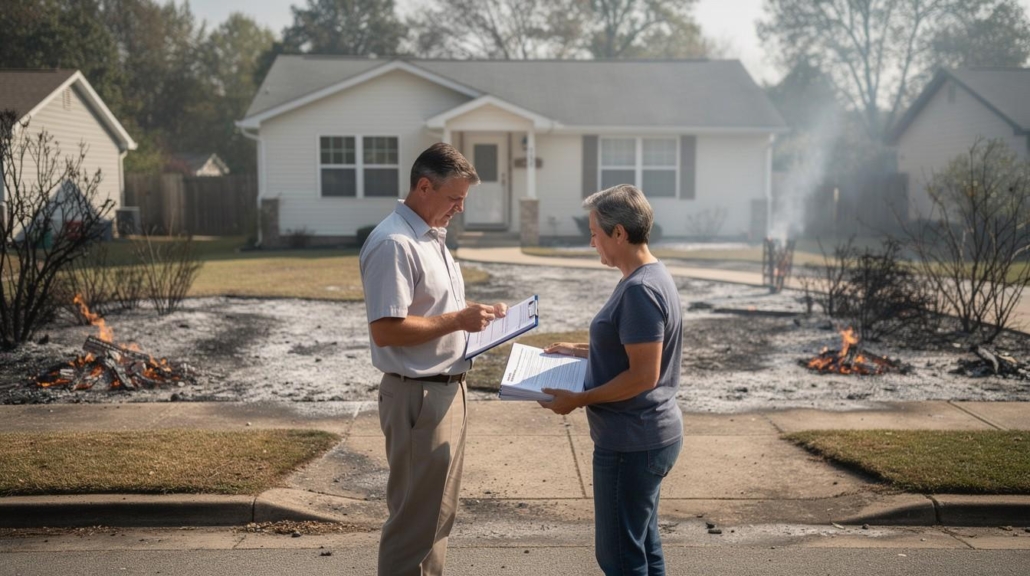
Wildfire Coverage for Homes: Protecting Your Property
Wildfires are destroying homes at record rates across the country, and standard homeowners insurance often leaves significant gaps in protection. At Beach Break Insurance Agency, we’ve helped countless homeowners understand what wildfire coverage for homes actually covers and where their policies fall short.
The right preparation and insurance strategy can mean the difference between financial recovery and devastating loss. This guide walks you through your coverage options and the concrete steps to protect your property today.
How Wildfires Threaten Your Home and What It Means for Your Coverage
Wind-Blown Embers Travel Farther Than You Think
Wildfires move faster and burn hotter than most homeowners realize, and understanding how they threaten your specific property is the first step toward protecting it. Wind-blown embers can be carried by winds and deposited several miles downwind, meaning your house faces risk even if the fire itself hasn’t reached your neighborhood. The Congressional Research Service reports that roughly 61,410 wildfires occur annually across the United States, burning about 7.2 million acres per year between 2013 and 2022. Climate change is intensifying this problem, making fires more frequent and destructive.
Your roof and attic represent your home’s most vulnerable zones. A wood shingle roof ignites far more easily than composite, asphalt, metal, clay, or tile roofing. Unsealed gaps under roof tiles and shingles allow wind-blown embers to enter your attic, where they can smolder and ignite hours after the fire has passed. Gutters filled with leaves and pine needles act as fuel sources that accelerate this process.
Three Factors That Determine Your Home’s Vulnerability
Your home’s vulnerability depends on three concrete factors: building materials, nearby vegetation, and defensible space around your property. Vegetation within 10 feet of your house creates a direct path for flames to reach your walls and windows. Trees with low-hanging branches and dense shrubs trap heat and embers against your structure. The materials you use to construct and maintain your home either slow fire spread or accelerate it-there is no middle ground.
Regional Variations Shape Your Coverage Options and Costs
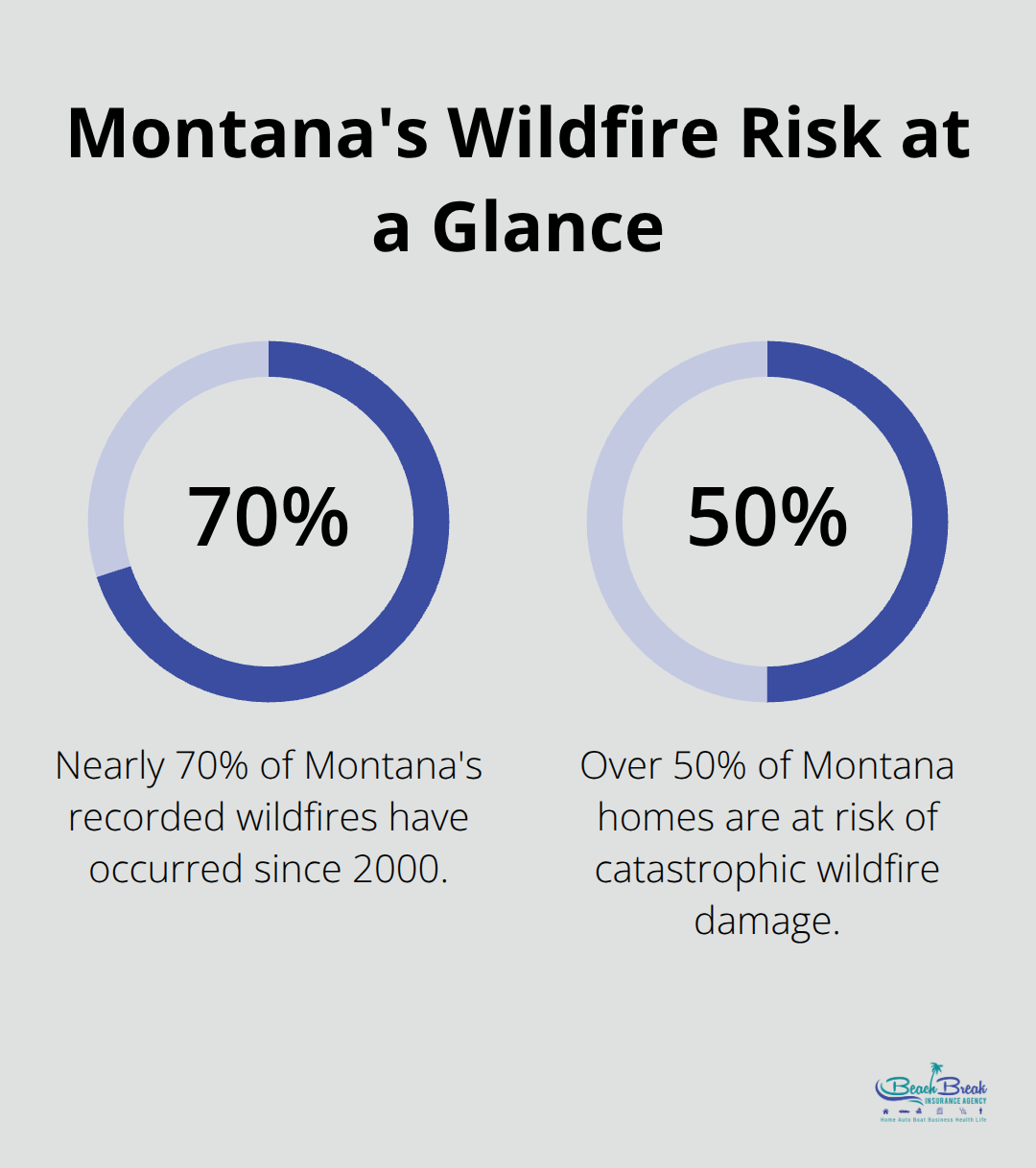
Regional variations matter enormously for your coverage options and costs. Montana has experienced the fifth-highest state increase in homeowners insurance rates this year according to the National Association of Realtors, driven by higher replacement costs and property values combined with wildfire risk. Nearly 70 percent of all wildfires on record in Montana have occurred since 2000, and the state now ranks second nationally for the percentage of homes at risk of catastrophic wildfire damage, with over 50 percent of properties vulnerable. Homeowners near wildland-urban interfaces face steep premium hikes or non-renewal notices because insurers are pricing risk more aggressively.
Washington experiences hundreds of thousands of acres burned each year, with most fires started by people and risk remaining dangerously high during dry summer months. If standard insurers won’t cover you in high-risk areas, the California FAIR Plan provides coverage when the private market cannot, though policies typically cost more with lower limits. Washington requires all standard homeowners and renters policies to include fire damage protection, with insurers using terms aligned with Washington’s official model fire policy.
The Gap Between Coverage and Actual Rebuilding Costs
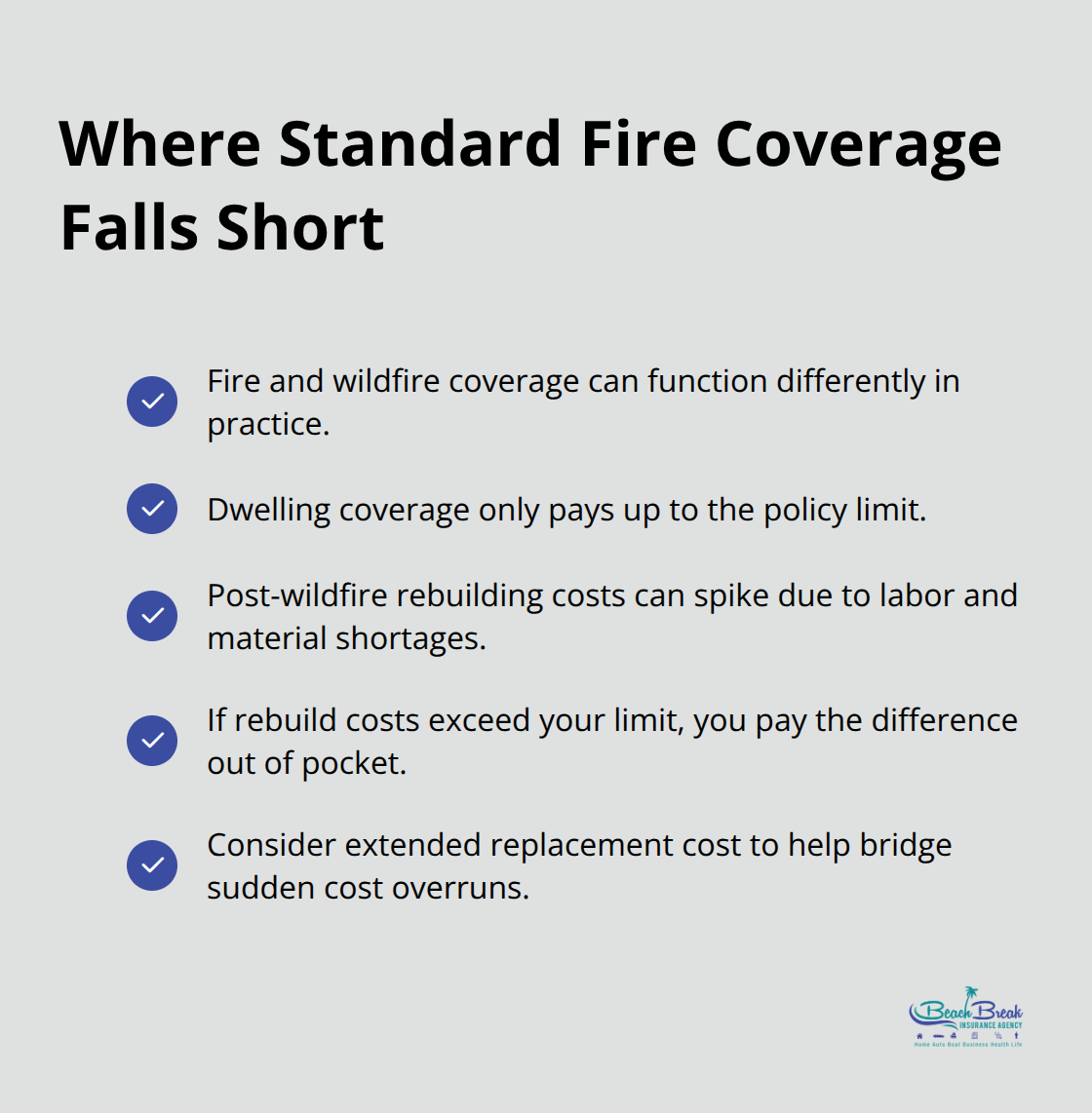
Having fire coverage and having enough fire coverage are different things. Your dwelling coverage must reflect actual rebuilding costs in your area, which have surged after large-scale wildfires due to labor and material shortages. Extended replacement cost or guaranteed replacement cost coverage closes the gap between your policy limit and what rebuilding actually costs. Personal property coverage has sublimits for high-value items like jewelry and firearms, meaning standard limits may not fully protect these belongings unless you schedule them separately on your policy. Understanding these gaps in your current policy is essential before a fire threatens your property.
What Your Standard Policy Actually Covers in a Wildfire
Fire Coverage Exists, But Gaps Are Widespread
Standard homeowners insurance covers fire damage, but the coverage has hard limits that catch most homeowners off guard. Standard homeowners and renters policies in Washington include fire damage protection by law, and similar protections exist across most states. However, fire coverage and wildfire coverage operate differently in practice. Your dwelling coverage pays to repair or rebuild your home up to your policy limit, but after large-scale wildfires, reconstruction costs spike dramatically due to labor shortages and material scarcity. If your dwelling limit sits at $400,000 and rebuilding actually costs $550,000, you absorb the $150,000 gap yourself.
Personal Property and Loss of Use Have Hard Caps
Your personal property coverage has sublimits for high-value items like jewelry and firearms, meaning you recover only a fraction of their actual value unless you schedule them separately on your policy. Loss of use coverage reimburses hotel stays and meal expenses if your home becomes uninhabitable, but this protection has a cap. Many homeowners discover too late that their coverage reflects property values from five years ago, not current replacement costs in their market. Scheduling high-value items ensures full recovery of their replacement cost rather than depreciated actual cash value.
The FAIR Plan Offers Protection at a Higher Price
When private insurers decline to cover you in high-risk fire zones, the California FAIR Plan serves as your safety net, though it comes with trade-offs. Policies through the FAIR Plan cost significantly more than standard coverage and carry lower limits, making them expensive protection for what amounts to basic coverage. The Montana Legislative Council is currently studying root causes of rising property insurance rates statewide, reflecting how aggressive insurers have become about pricing wildfire risk.
Extended Replacement Cost Closes the Gap
Extended replacement cost or guaranteed replacement cost coverage eliminates the gap between your limit and actual rebuilding expenses (where available). These options protect you when reconstruction costs exceed your policy limit, a scenario that occurs frequently after major wildfires. An independent agent can compare quotes from multiple carriers to identify gaps before you face a non-renewal notice and help you determine whether extended replacement cost makes sense for your property and budget.
Your Next Step: Assessing Your Specific Vulnerabilities
Understanding what your policy covers is only half the battle. The real protection comes from knowing your home’s specific vulnerabilities and taking action to reduce them before a fire threatens your neighborhood.
Prepare Your Property and Insurance Before Fire Season Arrives
Harden Your Roof and Attic Against Ember Intrusion
The roof represents your home’s most vulnerable component, and according to the State Fire Marshal’s wildfire guidance, wood shingle roofs ignite far more easily than composite, asphalt, metal, clay, or tile alternatives. If you live in a fire-prone area and still have a wood shingle roof, replacing it should rank above almost every other property improvement because embers can ignite it from a mile away. Seal gaps under roof tiles and shingles with caulk to block embers from reaching your attic. Clean gutters and roof surfaces monthly during fire season to remove pine needles and leaves that act as fuel. Install chimney screens with metal mesh openings of 3/8 to 1/2 inch and keep your fireplace flue closed during wildfire season.
Install Ember-Resistant Vents and Windows
Vent screens need 1/16 to 1/8 inch noncombustible material, and the State Fire Marshal maintains a list of flame- and ember-resistant vents you can reference. For windows, install dual-pane glass with at least one tempered layer, and add screens to all operable windows facing large vegetation. These upgrades slow fire spread and prevent embers from entering your home through small openings.
Create and Maintain Defensible Space
Your defensible space starts with the first five feet from your home, the most critical zone for ember resistance. Clear dead leaves and flammable materials, keep tree branches and shrubs at least 10 feet from your house, and establish a 5-foot noncombustible area with gravel or concrete rather than wood mulch. Move firewood 30 feet away, store propane tanks and gasoline at least that distance out, and trim lower tree branches 6 to 10 feet off the ground while spacing shrubs and trees 10 to 15 feet apart.
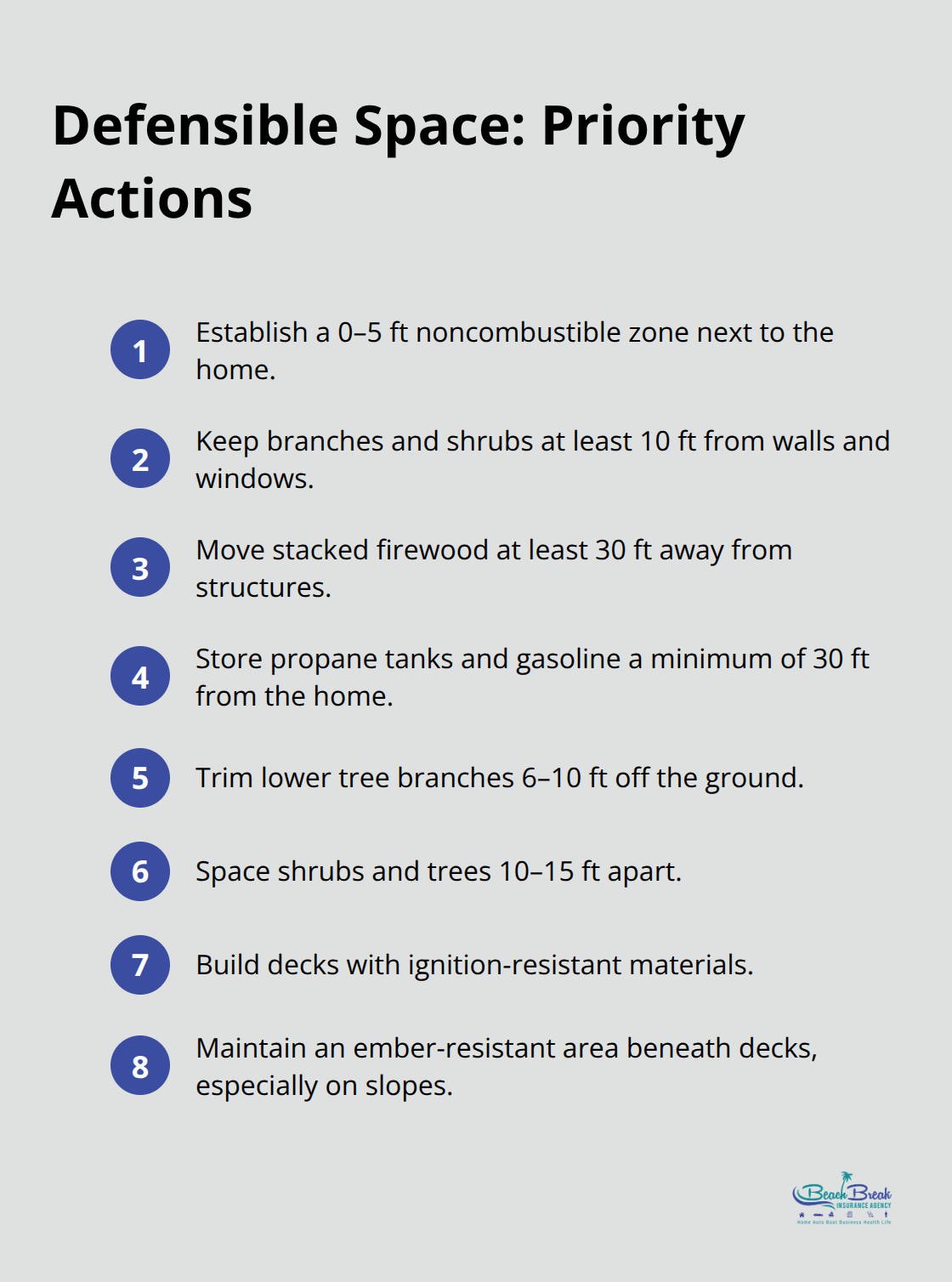
Build decks with ignition-resistant materials and maintain an ember-resistant zone beneath them to prevent fire spread on slopes.
Document Your Property and Schedule High-Value Items
Your insurance documentation must match your property’s actual replacement cost because underinsurance leaves you financially vulnerable after a total loss. Create a detailed home inventory with photos and receipts for every room, and store copies offsite or in cloud storage so wildfire damage cannot destroy your proof of ownership. High-value items like jewelry, firearms, and art require separate scheduling on your policy because standard personal property coverage applies sublimits that recover only a fraction of replacement cost.
Review Coverage Limits and Loss of Use Protection
Review your dwelling coverage annually because construction costs in fire-prone markets rise faster than standard policy increases, and confirm that your limit reflects current rebuilding expenses in your zip code rather than values from five years ago. Loss of use coverage caps reimbursement for hotel stays and meals if your home becomes uninhabitable, so verify this limit covers at least 12 months of living expenses in your area. If you receive a non-renewal notice due to wildfire risk, contact an independent agent immediately because waiting weeks into fire season eliminates your options. The FAIR Plan provides coverage when private insurers won’t, but policies cost significantly more with lower limits, making it a last resort rather than a primary solution. An independent agent can compare quotes from multiple carriers to identify gaps before you face coverage denials and help you determine whether extended replacement cost makes sense for your property and budget. Schedule a policy review with an independent agent at least annually to confirm your coverage reflects recent home improvements, updated property values, and changes in your neighborhood’s wildfire risk profile.
Final Thoughts
Wildfire coverage for homes protects your financial future, but only when your policy matches your actual property value and your home resists ember intrusion. The gap between standard coverage and real rebuilding costs after a major wildfire is substantial, and waiting until fire season arrives leaves you vulnerable to non-renewal notices and coverage denials. Your dwelling limit must reflect current construction costs in your market, your personal property coverage must account for high-value items through separate scheduling, and your loss of use protection must cover months of temporary housing if evacuation becomes necessary.
The concrete steps matter as much as the insurance itself. Replacing a wood shingle roof, sealing gaps under roof tiles, installing ember-resistant vents, and maintaining defensible space around your property reduce your home’s ignition risk dramatically. These upgrades also qualify you for premium discounts with many carriers, offsetting the cost of improvements while lowering your insurance expense.
An independent agent compares quotes from multiple carriers simultaneously, identifying coverage gaps and premium savings you cannot find alone. Contact Beach Break Insurance Agency to compare quotes and confirm your wildfire coverage reflects your home’s true replacement cost before fire season arrives.
The information provided in this blog is for general informational purposes only and does not constitute legal, financial, or insurance advice. Coverage options, terms, and availability may vary. Please consult with a licensed professional for advice specific to your situation.
Artificial intelligence may have been used to generate text and images in some blog articles.


